
Why Southeast Asia Is Emerging as a Strategic Growth Market for Global Franchise Brands

Southeast Asia is increasingly recognised as a strategic expansion destination for global franchise brands seeking growth beyond saturated Western markets. With a population exceeding 650 million and sustained economic momentum across key economies, the region offers a compelling mix of scale, demographic advantage, and evolving consumer behaviour.
A defining characteristic of Southeast Asia is its young, economically active population. A significant proportion of consumers and business operators are under the age of 40, creating strong demand for structured business models that balance entrepreneurial ambition with operational guidance. Franchise systems naturally align with this demand, offering established brand equity, replicable processes, and risk-mitigated entry into business ownership.



Indonesia, the region’s largest economy, often serves as a bellwether for broader Southeast Asian trends. Its expanding middle class, rapid urbanisation, and increasing exposure to international brands have positioned the country as a natural gateway for franchise expansion. Sectors such as food and beverage, education, retail services, and lifestyle concepts continue to demonstrate resilience, supported by changing consumption patterns and growing digital payment adoption.
Beyond consumer demand, the franchise ecosystem itself is becoming more sophisticated. Regulatory clarity, improved franchise literacy, and the emergence of professional advisory platforms have contributed to a healthier operating environment. This shift enables international brands to engage with better-prepared local partners who understand both brand compliance and long-term value creation.
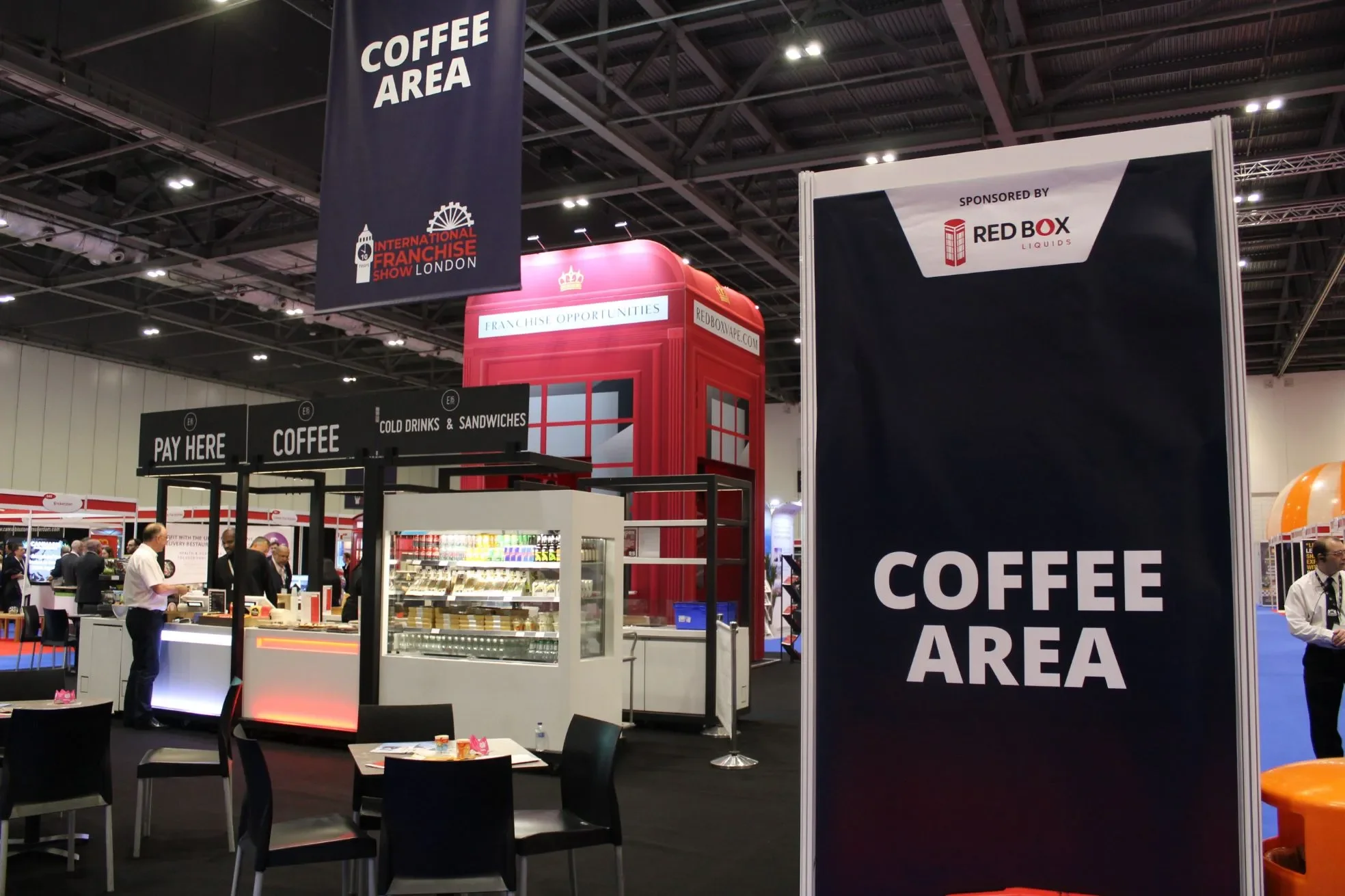
Equally important is the role of franchise exhibitions and business forums in the region. These platforms function not merely as marketing channels, but as market-entry laboratories allowing brands to assess demand, validate pricing strategies, and engage directly with prospective master franchisees or development partners. For global brands, such engagement reduces entry risk and accelerates market understanding.
As franchise operators reassess global growth strategies in an increasingly complex economic environment, Southeast Asia stands out for its adaptability, demographic momentum, and openness to international concepts. With the right local partnerships and a clear understanding of regional dynamics, the region presents a sustainable and scalable opportunity for long-term franchise growth.
